


A 45-volume collection of knowledge created over a century — now in Uzbekistan!
🔴 Information about 320,000 works in a single collection
The library of the Islamic Civilization Center in Uzbekistan has been enriched with another unique scholarly collection. The 45-volume Union Catalogue of Iran Manuscripts (FANKHA), created by the National Library and Archives of the Islamic Republic of Iran, has been presented to the Center’s library collection.
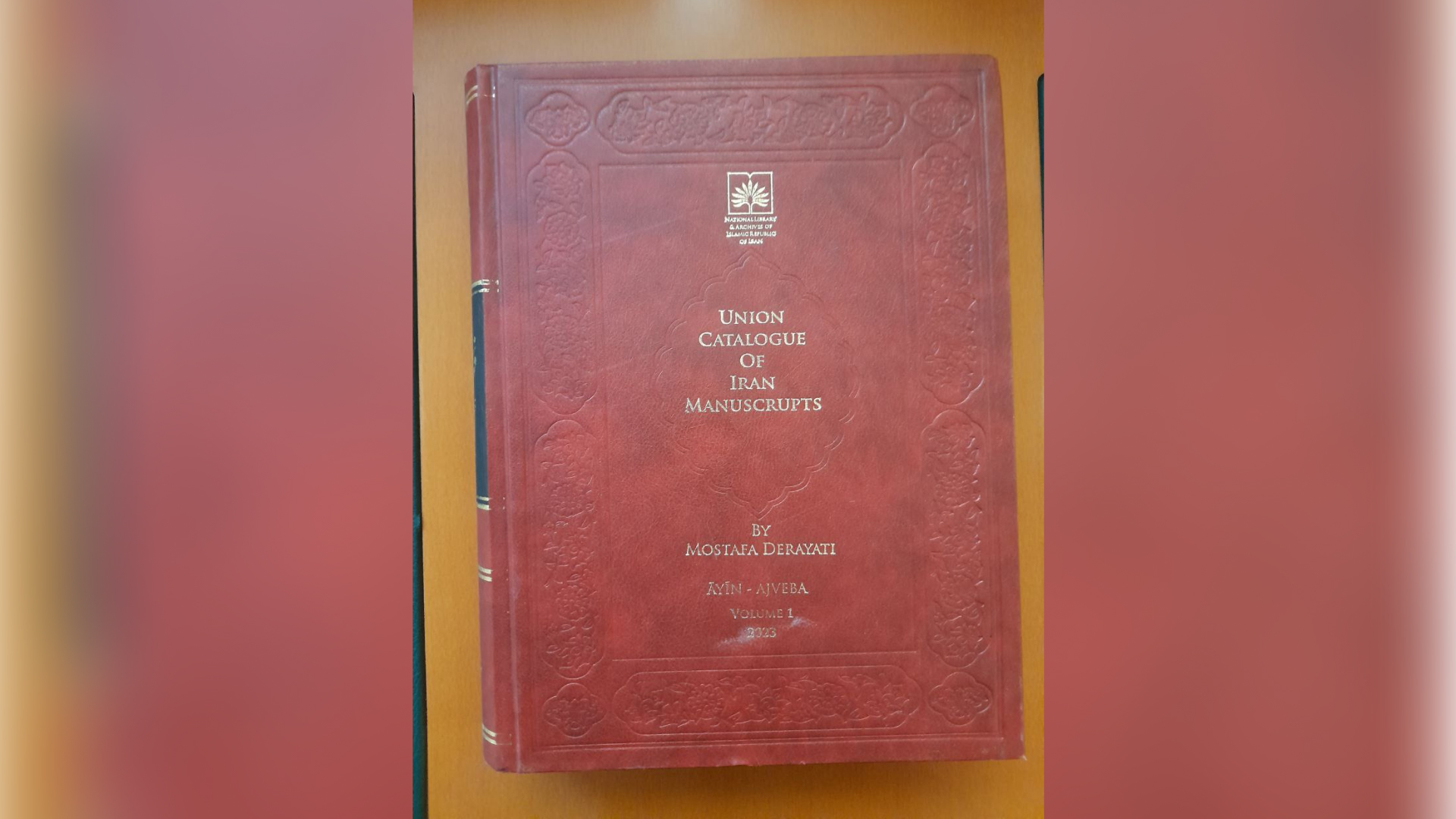
This collection was initially gifted during the Center’s delegation visit to Iran and, during a recent follow-up visit, another complete copy was officially handed over. Both 45-volume sets are now preserved in the Center’s library.
A century of scientific research
The catalogue presented to the Islamic Civilization Center’s library was compiled in Iran between 1926 and 2011. It represents a monumental project that unites in a single reference all manuscripts preserved in the country’s state, religious, and private libraries.
The catalogue contains information on more than 320,000 manuscripts, compiled from over 500 sources. Each work includes detailed bibliographic data (author, language, subject, and volume) and codicological notes (seals, inscriptions, and preservation state).
The project was carried out by the team of the Al-Jawad Cultural Institute under the editorial supervision of Professor Mostafa Derayati. The catalogue also includes the works of great scholars born and raised on the soil of Uzbekistan, whose manuscripts are preserved in Iran, such as:
➖ Abu Rayhan al-Biruni — Al-Athar al-Baqiyah ‘an al-Qurun al Khaliyah
➖ Abu ‘Ali ibn Sina — Al-Qanun fi al-Tibb, Al-Najah
➖ Mahmud al-Zamakhshari — Al-Kashshaf, Muqaddimat al-Adab
➖ Muhammad al-Khwarizmi — Al-Jabr wa-l-Muqabala
➖ Ahmad al-Farghani — ‘Ilm al-Hay’a
These works are preserved in major libraries and madrasas in Tehran, Qom, Mashhad, and Isfahan.
A new stage of scholarly cooperation
Cooperation between the Islamic Civilization Center and Iran’s academic institutions continues to develop steadily. New agreements have been reached in manuscript digitization, data exchange, and publication projects.
According to Rustam Jabborov, the Center’s Scientific Secretary, there are numerous manuscripts of scholars from Uzbekistan preserved in Iran.
“For example, several manuscripts of Alisher Navoi are among them. Our collaboration with Iranian colleagues will elevate our research to a new level. The Union Catalogue of Iran Manuscripts serves as a unique guide for source studies and historical research,” said R. Jabborov.
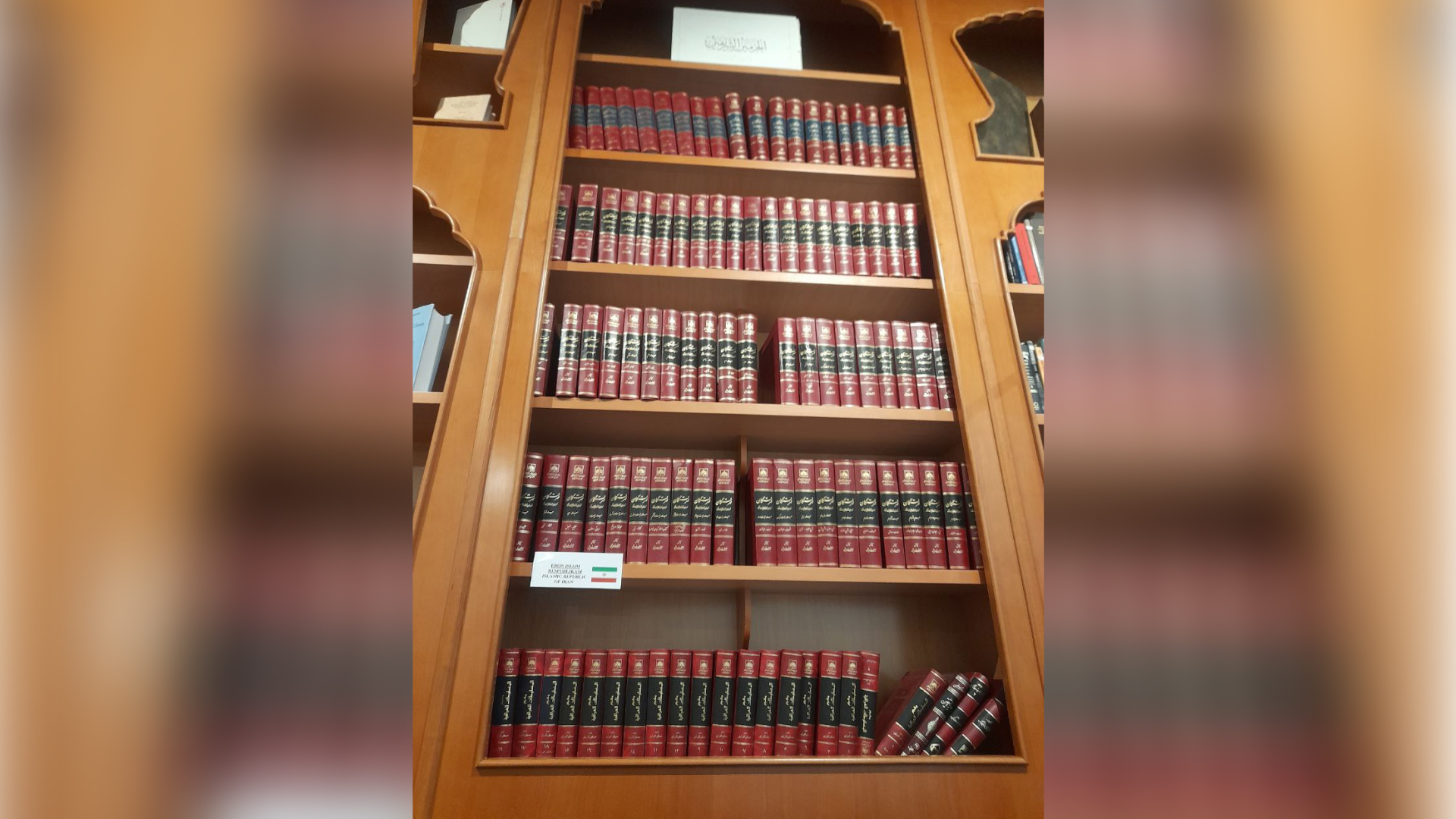
Created over a hundred years, this vast collection is not only a treasure of Iran but a major scholarly repository uniting the manuscript heritage of the entire Islamic world. Its preservation within the Islamic Civilization Center’s collection marks a new stage in the cultural dialogue and scientific cooperation between Uzbekistan and Iran.
Guzal Beknazarova
P.S: The article may be republished with a reference to the Center’s official website.
Most read

Over 100 experts from more than 20 countries of the world are in Tashkent!

President of Serbia Aleksandar Vučić visited the Islamic Civilization Center in Uzbekistan

The Center for Islamic Civilization – a global platform leading towards enlightenment
