


The great heritage unites the future of our peoples
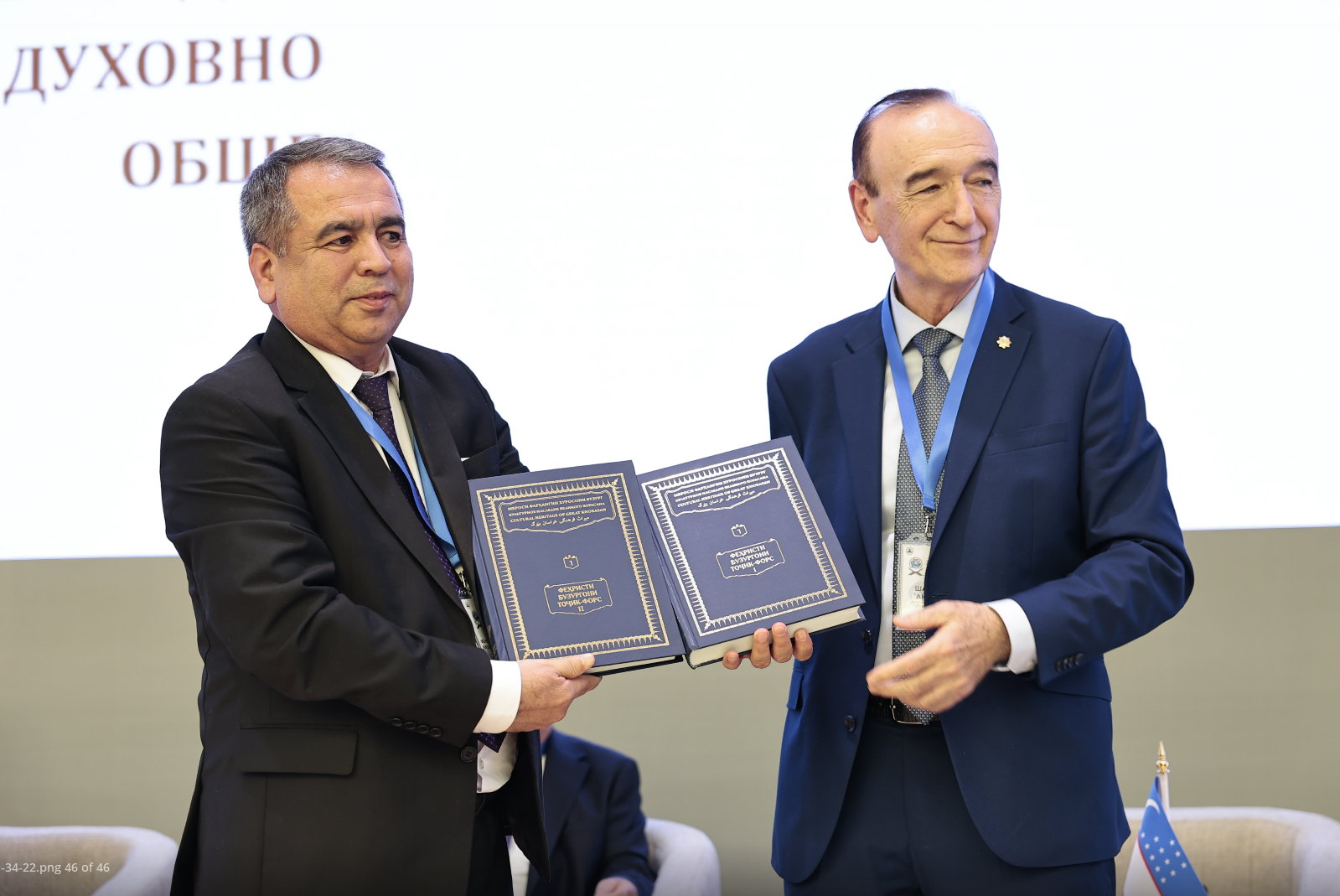
Scientific and cultural cooperation in Central Asia is entering a new stage. As noted by Salomiyon Muhammad Qayum, Vice President of the National Academy of Tajikistan, the political will of Presidents Emomali Rahmon and Shavkat Mirziyoyev is shaping a shared path directed toward unity, development, and the preservation of historical heritage in the region. The congress held in Tashkent is contributing to a deeper study of our thousand-year common heritage and strengthening friendship among nations.
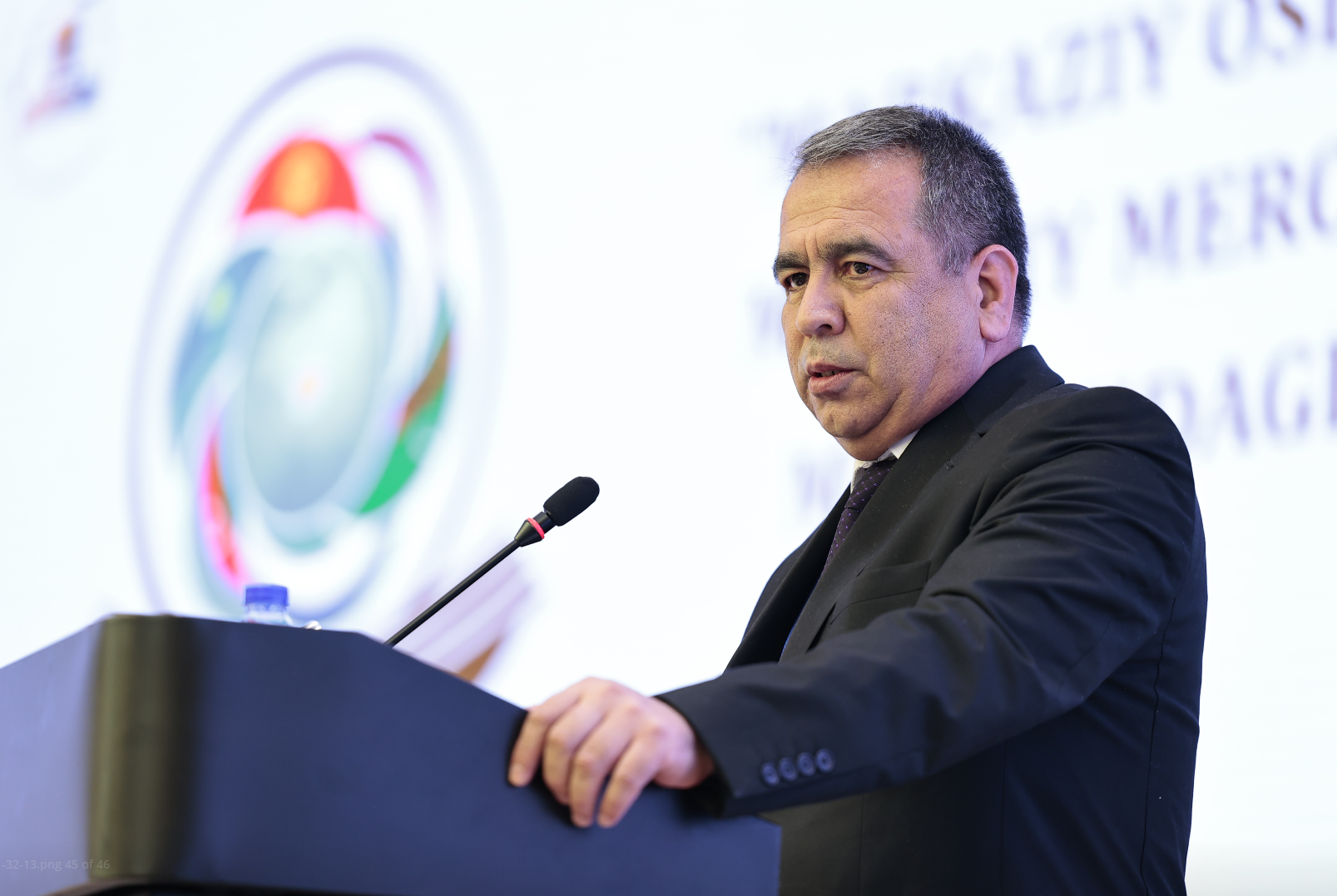
Salomiyon Muhammad Qayum, Vice President of the National Academy of Tajikistan:
“Today’s political platform is such that the President of our country, Emomali Rahmon, and the President of the Republic of Uzbekistan, the esteemed Shavkat Mirziyoyev, are united in their aim to strengthen cooperation and development, as well as scientific, cultural, and socio-economic relations. In this regard, we must further expand collaboration and improve relations between our peoples and those of Central Asia.
This is required by the political will of our leaders: to unite in the world, to cooperate with one another, and to preserve and integrate the scientific, cultural, and historical heritage that has been formed over the course of a thousand years. Our President always emphasizes: if any nation forgets its history, it will first lose its culture. This, in turn, will gradually lead to disappearing from the pages of history and from the world map.
Therefore, today special attention is being given to history, culture, and science, so that people remain aware of their historical heritage. The congress dedicated to the historical values of Central Asia encourages us to study this heritage more deeply. Every value, throughout a thousand years of history from Arabic manuscripts to the heritage of all regional peoples can be traced.
This heritage is also reflected in madrasas, schools, mosques, and other historical sites. Thus, today’s cooperation among Central Asian nations is based on a rich historical legacy formed over centuries. We feel this heritage, study it, and analyze it. In doing so, we contribute to the development of culture and civilization for the future of the peoples of Central Asia.”
Most read

Over 100 experts from more than 20 countries of the world are in Tashkent!

President of Serbia Aleksandar Vučić visited the Islamic Civilization Center in Uzbekistan

The Center for Islamic Civilization – a global platform leading towards enlightenment
